Book Synopsis

For thirty years, a Vietnam veteran has lived imprisoned by memories of a war that never truly ended for him. Working at a corrupt Vietnam War theme park in Florida only keeps those memories close.
After September 11 reawakens the past, he meets a woman carrying wounds and survivor’s guilt from the same war. Their brief connection offers something he has nearly forgotten. Hope. When she disappears, he sets out on a 3,000-mile journey to find her.
Nam World is ultimately less a story about war than about what comes after it. It is a story of trauma, isolation, human connection, and the difficult journey toward forgiveness and recovery. Two people damaged by the past discover that healing may begin when they finally choose to move toward life rather than remain trapped by memory.

Carson Graham has built a new life by leaving his old one behind. After a failed marriage, he assumes a new identity and opens a used bookstore in a small Florida community, believing he has finally found a place where no one knows his past.
Then he meets Sara Olson, a woman who seems to recognize him. Her questions threaten the carefully constructed life Carson has created and force him to confront the secret he has worked so hard to protect.
As their relationship develops, Carson becomes drawn into both Sara’s past and the concerns of his new community, including a fight to protect local beachfront land from development.
The Bookseller’s Secret is a layered story about identity, reinvention, trust, and the consequences of running from the past. It asks whether a person can truly begin again without first confronting who he was.
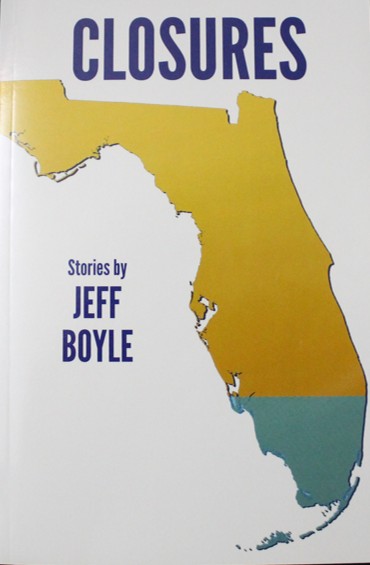
Every life is shaped by endings. Some are chosen, some are forced upon us, and others arrive before we are ready to let go.
In Closures, Jeff Boyle explores these turning points through stories of love, family, aging, grief, prejudice, environmental loss, and unexpected human connection. His characters confront the end of relationships, careers, innocence, familiar places, and ways of life. From a fading shoeshine tradition and a fractured father-son relationship to pandemic isolation and a disturbing vision of Florida’s future, each story examines what happens when something important reaches its end.
Yet Closures is not simply about loss. Throughout the collection, Boyle finds possibility beyond endings, suggesting that even painful closures can create room for acceptance, renewal, and the beginning of something new.
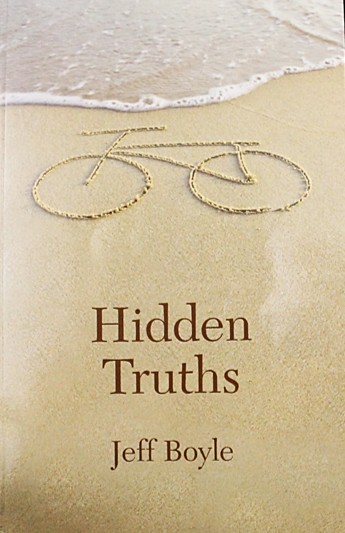
In Hidden Truths, Jeff Boyle explores the quiet truths people discover when they reach beyond isolation and connect with one another.
Across sixteen stories, retirees navigate the uncertainties of online dating, young couples test the strength of their relationships, strangers form unexpected bonds, and families confront unspoken needs. An elderly group finds companionship over Scrabble, a childless couple considers adoption, and people of different ages and backgrounds discover how much they have in common.
With humor, compassion, and a keen eye for everyday life, Boyle reveals the emotions that often remain hidden beneath ordinary encounters.
Hidden Truths is ultimately a collection about loneliness, trust, love, and belonging. Its characters remind us that even brief moments of understanding can bridge the distance between people and reveal truths about ourselves that might otherwise remain unseen.
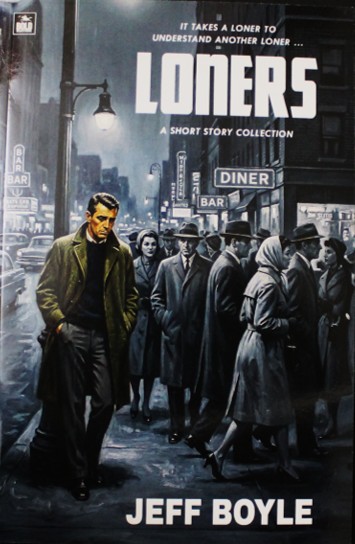
In Loners, Jeff Boyle explores the lives of people who exist slightly apart from the world around them.
Across twelve stories, his characters include a university professor, a radio talk-show host, a young laborer, a lifeguard, an immigrant, a frustrated job applicant, a psychologist, and a man whose carefully guarded peace is disrupted by the return of a former lover.
Each faces loneliness in a different form. Some have chosen solitude, while others have been pushed toward it by circumstance, disappointment, fear, or misunderstanding. Yet beneath their differences lies a common search for identity, acceptance, and inner peace.
Loners is a thoughtful collection about isolation, self-discovery, and the fragile connections people make along the way. It asks whether being alone is always loneliness, or sometimes simply another way of finding oneself.